
natural light makeup mirror
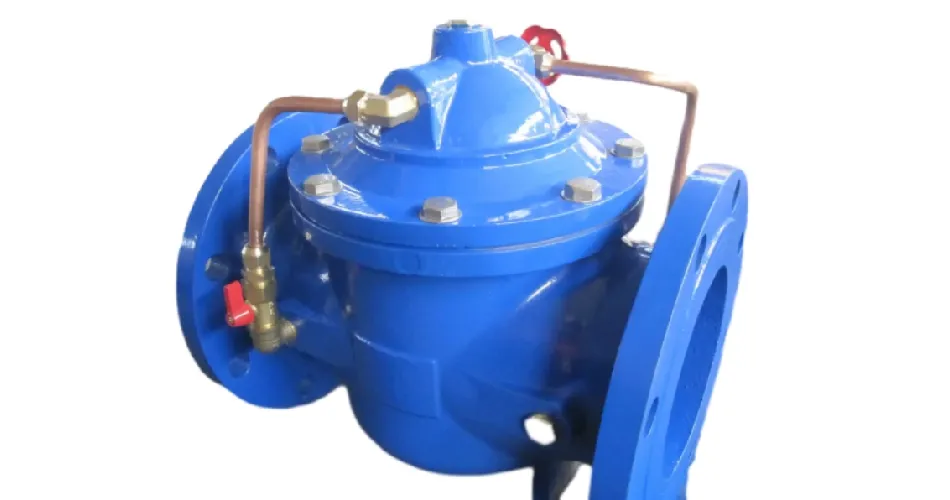
The Price of a 2.5-Inch Gate Valve Factors and Market Trends Gate valves are an essential component in various piping systems, serving to control the flow of liquids and gases. Among these, the 2.5-inch gate valve stands out for its versatility and efficiency in applications ranging from residential plumbing to industrial processes. Understanding the price of a 2.5-inch gate valve involves examining several factors including material, manufacturing processes, brand reputation, and current market trends. Material Composition One of the primary factors affecting the price of a gate valve is the material used in its construction. Common materials for gate valves include cast iron, stainless steel, brass, and PVC. Each material has its own advantages; for instance, stainless steel offers excellent corrosion resistance, making it ideal for harsh environments. Consequently, stainless steel gate valves typically command a higher price than their cast iron or PVC counterparts. A 2.5-inch stainless steel gate valve can range from $50 to $150, while a cast iron version might be priced between $20 and $70. Manufacturing and Design The manufacturing process of a gate valve also impacts its cost. High-quality valves are often produced using advanced techniques that ensure durability and reliability. Valves that are cast and machined with precision tend to be more expensive. In addition, features such as fire safety ratings, extended service life, and ease of maintenance can add to the overall cost. Consumers must weigh the upfront investment against long-term savings, as a more expensive, high-quality valve might require fewer replacements and repairs over time. 2.5 inch gate valve price Brand Reputation Brand reputation plays a significant role in pricing the 2.5-inch gate valve. Established brands with a history of quality and reliability will typically charge more for their products. Buyers may be willing to pay a premium for reputable brands due to peace of mind and assurance of performance. Conversely, lesser-known or generic brands might price their valves lower to attract budget-conscious consumers. It’s crucial to balance cost with quality, ensuring that the selected valve meets the necessary standards for the intended application. Market Trends and Availability Current market trends also influence the price of gate valves. For instance, demand for plumbing materials can fluctuate due to changes in construction activity or regulatory policies. During periods of high demand, prices may rise due to limited availability. Furthermore, geopolitical factors and supply chain disruptions can also affect the pricing of raw materials, impacting the overall cost of manufacturing the valves. In conclusion, the price of a 2.5-inch gate valve is influenced by multiple factors, including material choice, manufacturing practices, brand reputation, and market dynamics. Potential buyers should thoroughly research their options, considering not only the initial purchase price but also the valve’s performance and longevity. Ultimately, investing in a high-quality gate valve can lead to improved system efficiency and reduced maintenance costs over time, making it a wise choice for both residential and industrial applications.
about
natural light makeup mirror
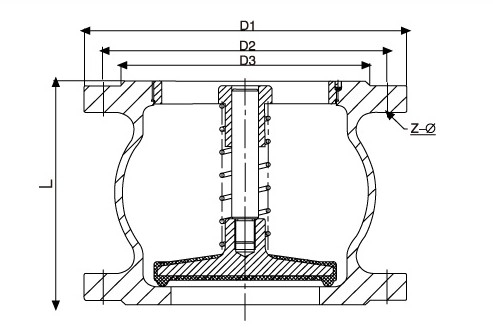
Understanding One-Way Water Valves Essential Components in Fluid Control In various industries, the efficient and reliable movement of fluids is paramount. One essential component that facilitates this is the one-way water valve, often referred to as a check valve. These devices are designed to allow fluid (liquid or gas) to flow in only one direction, preventing backflow and ensuring the proper functioning of hydraulic systems, water supply lines, and irrigation systems, among others. How One-Way Water Valves Work At its core, a one-way water valve consists of a seat and a movable element, typically called a disc or ball. When fluid flows in the designated direction, the force of the fluid opens the valve, allowing it to pass through. However, if the fluid attempts to flow back, the movable element is pushed against the seat, effectively closing the valve and preventing reverse flow. This simple yet effective mechanism makes one-way valves critical components in ensuring the safety and reliability of various piping systems. Applications of One-Way Water Valves One-way water valves are commonly used in several applications. In residential plumbing, for instance, they can prevent backflow in water supply systems, ensuring that clean water does not mix with potentially contaminated water. Similarly, in irrigation systems, check valves can prevent water from draining back into the supply line when the pump is turned off, maintaining pressure and optimizing water usage. In industrial settings, one-way water valves play pivotal roles in processing fluids. They are often employed in manufacturing plants where liquids or gases must be transferred through pipelines without the risk of backflow, which could lead to contamination or equipment failure. Moreover, they are vital in sewage and wastewater management systems, where they help direct flow and prevent backflow that could cause significant environmental hazards. Types of One-Way Water Valves There are several types of one-way water valves, each designed for specific applications. The most common types include one way water valve 1. Swing Check Valves These valves have a disc that swings on a hinge. They are ideal for systems where the fluid flow is steady and can operate effectively under various pressure conditions. 2. Ball Check Valves Utilizing a spherical component that sits on a seat, these valves are generally used in applications involving high pressure and dirty fluids due to their ability to handle solid particles. 3. Spring-Loaded Check Valves These feature a spring mechanism that helps keep the valve closed until the fluid pressure overcomes the spring force. This type of valve is useful in applications where the flow might be subject to fluctuations. 4. Diaphragm Check Valves These utilize a flexible diaphragm that opens and closes the valve based on pressure changes. They are often used in sanitary applications or where leakage must be minimized. Maintenance and Considerations While one-way water valves are designed to be durable and reliable, regular maintenance is essential to ensure their proper functioning over time. Factors such as corrosion, sediment buildup, and wear and tear can affect their performance. It is advisable to periodically inspect and clean the valves or replace them if significant deterioration is noted. When selecting a one-way water valve for a specific application, factors like the type of fluid, pressure requirements, and environmental conditions should be considered to ensure optimal performance. In conclusion, one-way water valves are integral components in fluid control systems across various applications. Their ability to prevent backflow not only safeguards the integrity of the fluid being transported but also enhances the efficiency of numerous operations. Understanding their functionalities, types, and maintenance needs is crucial for anyone involved in plumbing, industrial processes, or fluid management.
-

High quality industrial productsagement

High quality industrial products
View Details -

Meet the diverse needs of customers

Meet the diverse needs of customers
View Details -

Strict quality control

Strict quality control
View Details -

Top raw materials

Top raw materials
View Details -

Trusted supplier

Trusted supplier
View Details
Our application


news and information
Vis mig et vaterpas til præcise målinger
Vis mig et vaterpas Vaterpas er en uundgåelig værktøj i både byggeri og håndværk, men har også en dy
wskazuje mikrometr
Indykatory Mikrometryczne Zastosowanie i Właściwości Indykatory mikrometryczne to precyzyjne narzędz
Zinc Coated Half Saddle Pipe Clamp for Secure and Reliable Pipe Mounting Solutions
Understanding Zinc-Plated Half Saddle Pipe Clamps A Comprehensive Overview In various industrial and
 English